Technology Meets Humanity: Combining Technological and Human Skills

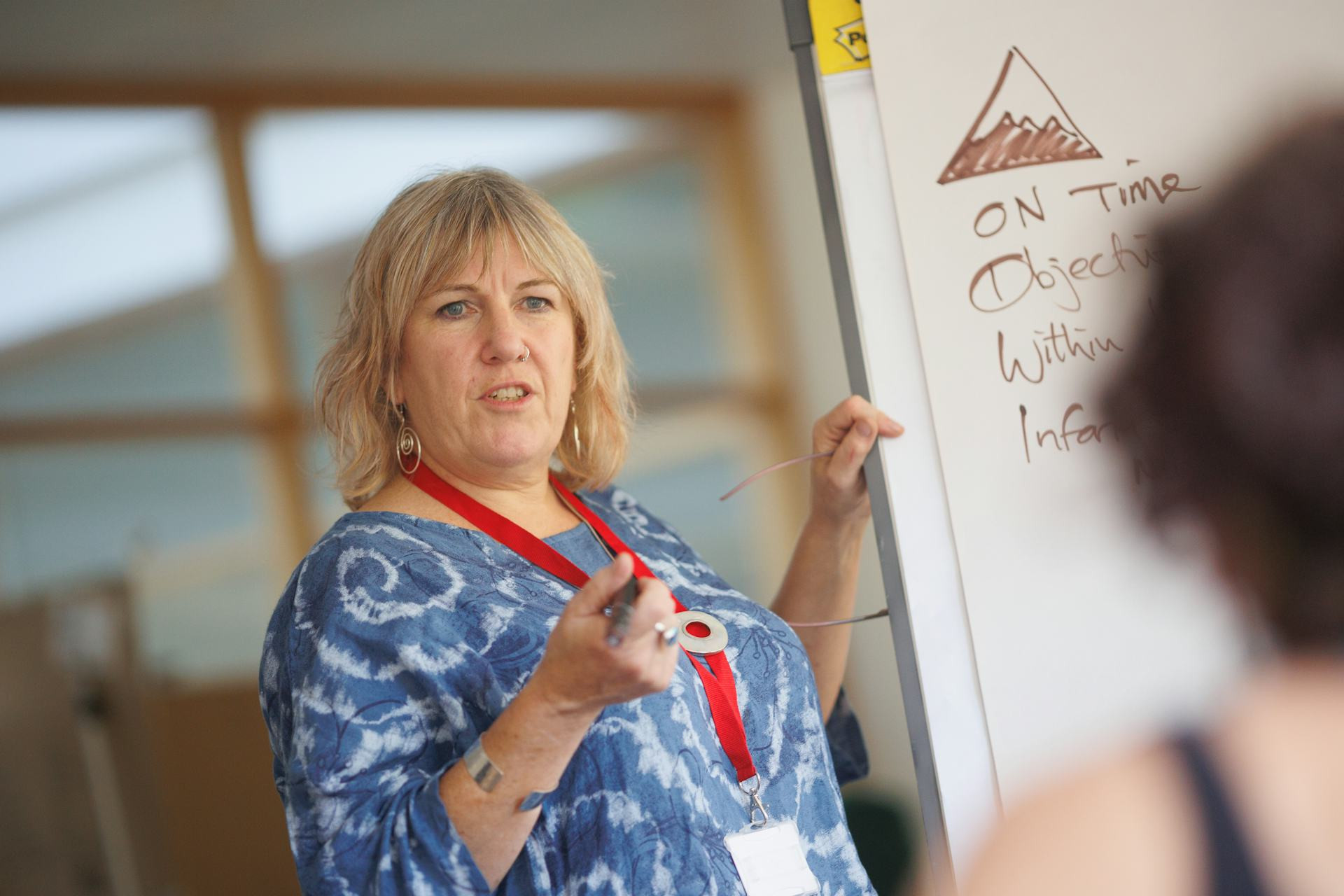
Technology Meets Humanity: Combining Technological and Human Skills
In an age where artificial intelligence, automation and digital tools are reshaping how we work, learn and communicate, it has never been more important to understand how technology and human skills can complement each other. The question is not whether machines will replace people, but how we can create a balance where both strengths work together.
Technology as a Tool – Not a Replacement
Technology can process data, identify patterns and perform repetitive tasks with incredible speed and accuracy. Yet it cannot think creatively, show empathy or grasp the subtleties of human communication. That is why technology should be seen as a tool that supports human judgement, not as a substitute for it.
When used thoughtfully, technology can free up time for what humans do best: strategic thinking, building relationships and solving complex problems. But this requires that we understand technology well enough to use it critically, responsibly and ethically.
The Human Skills That Matter Most in a Digital Age
While digital literacy, coding and data analysis are valuable, it is human skills that make the real difference. Research in the UK and beyond shows that the future job market will reward those who can combine technical understanding with creativity, empathy and adaptability.
Some of the most essential human skills include:
- Critical thinking – the ability to evaluate information, understand context and ask the right questions.
- Creativity – finding new solutions and thinking across disciplines.
- Empathy and collaboration – understanding others’ perspectives and working effectively in teams.
- Ethical awareness – considering how technology affects people, communities and the planet.
- Lifelong learning – staying curious and open to new knowledge throughout one’s career.
These are the qualities that cannot be automated – they are at the heart of what makes us human.
Education at the Intersection of Technology and Humanity
Schools, colleges and universities across the UK play a crucial role in preparing students for a future where humans and technology work side by side. This means developing teaching methods that combine technical understanding with reflection, collaboration and problem-solving.
Project-based learning is one effective approach. When students use digital tools to tackle real-world challenges – from sustainability projects to community initiatives – technology becomes a natural part of the learning process rather than an end in itself.
At the same time, education should not only focus on the latest software or platforms, but also on the ability to think critically, adapt to change and learn continuously. These are the skills that will remain relevant, no matter how technology evolves.
The Workplace as a Space for Growth
In the workplace, the combination of technological and human skills is equally vital. Many UK organisations have discovered that digital transformation is not just about adopting new systems, but about changing culture and ways of working.
When employees are encouraged to develop both technical and interpersonal skills, innovation and wellbeing thrive. This can be achieved through internal training, mentoring schemes or cross-disciplinary collaboration.
Leaders have a key role to play in creating a culture where it is safe to experiment, learn and question – including questioning the technology itself.
A Shared Responsibility for the Future
Combining technology and human skills is not only a matter of efficiency; it is also about ethics and social responsibility. How do we ensure that technology serves people, rather than the other way around?
This requires a collective effort from policymakers, educators, businesses and citizens. We need open conversations about what kind of digital future we want, and how we can keep the human perspective at the centre of technological progress.
Læs også:
Keeping Humanity at the Core
When technology meets humanity, new possibilities emerge – but only if we use technology with care and purpose. The success of the future will not depend on how advanced our machines become, but on how wisely we use them to strengthen what makes us unique: our creativity, empathy and capacity to collaborate.
Combining technological and human skills is therefore not just a necessity – it is the key to a sustainable, inclusive and meaningful future.
Læs også: