Continuing Education as a Collaboration Tool: Strengthening Teamwork through Learning

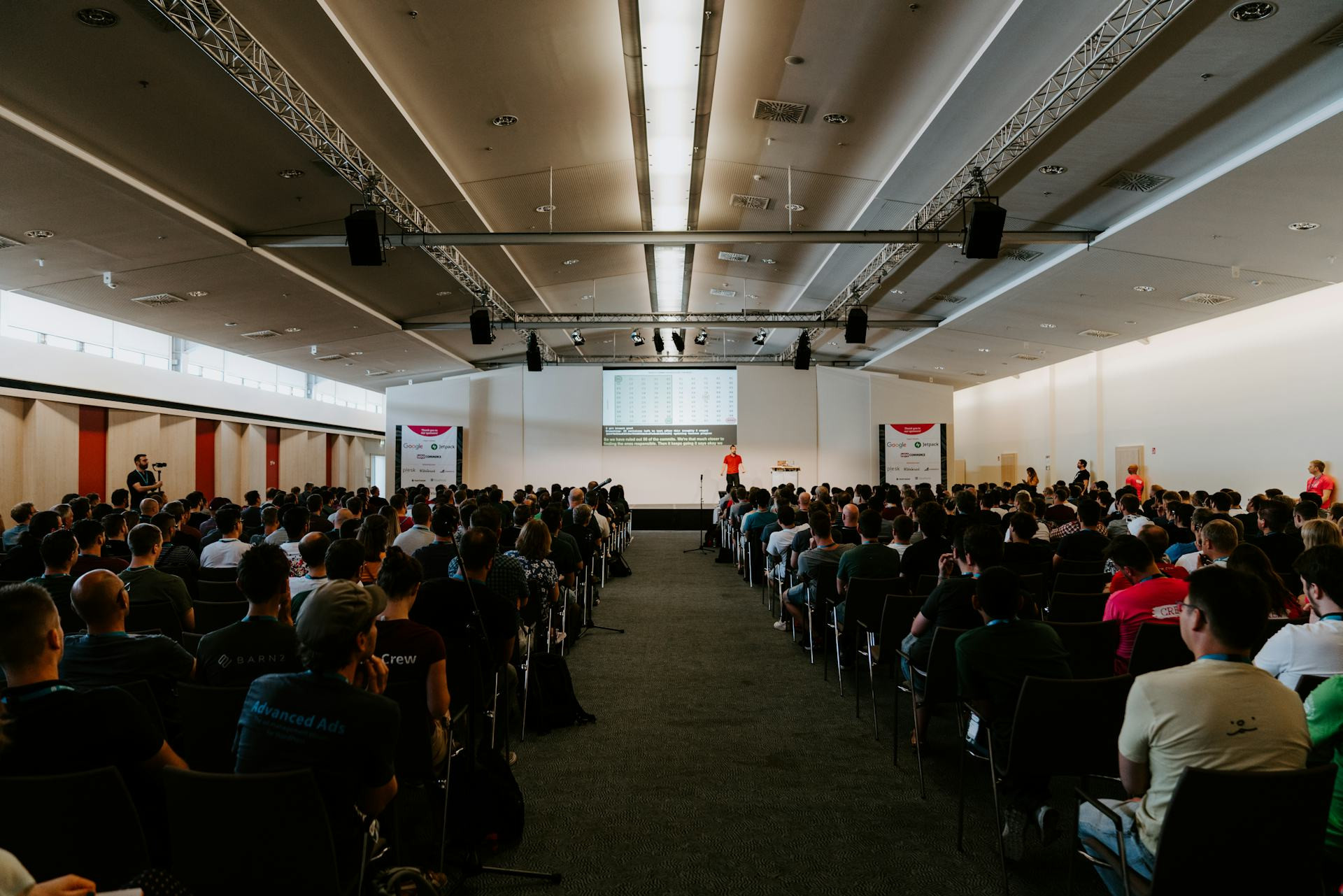
Continuing Education as a Collaboration Tool: Strengthening Teamwork through Learning
Continuing education is not only about gaining new professional skills. It can also serve as a powerful tool for strengthening teamwork in the workplace. When colleagues learn together, they develop more than just knowledge – they build trust, understanding, and a shared language. In a time when many tasks require cross-functional collaboration and adaptability, continuing education can be the key to better teamwork and stronger workplace communities.
Learning as a Shared Experience
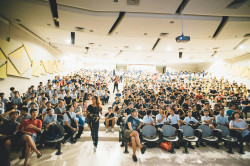
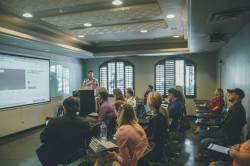
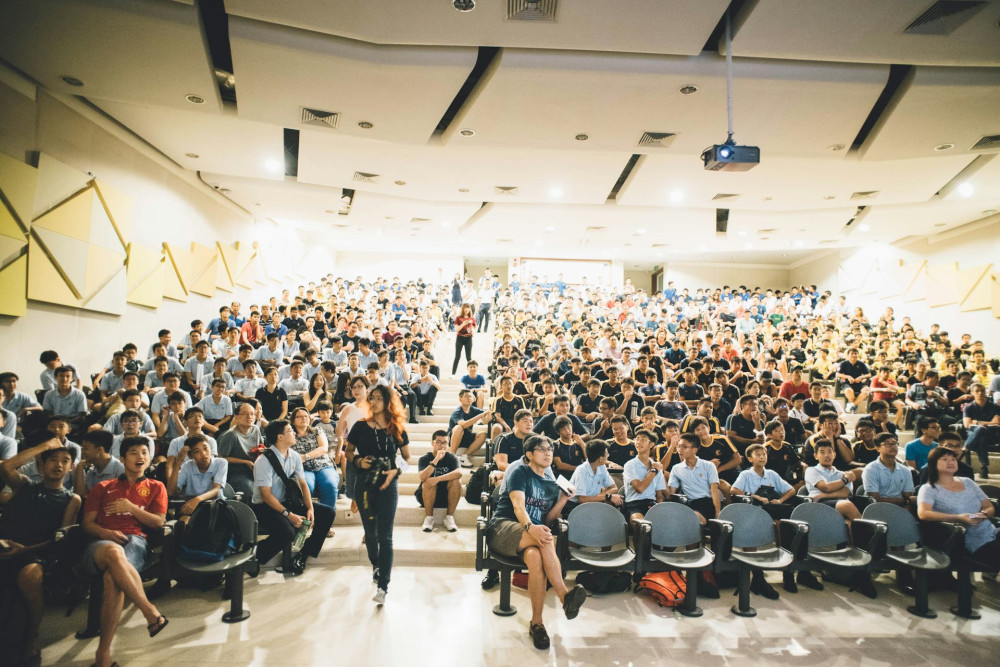
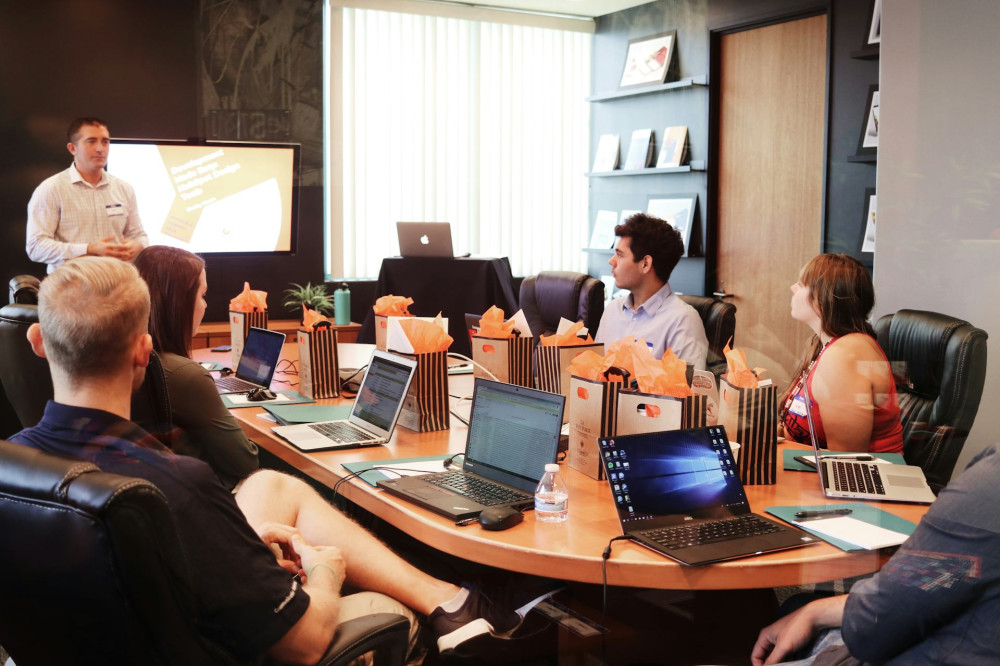
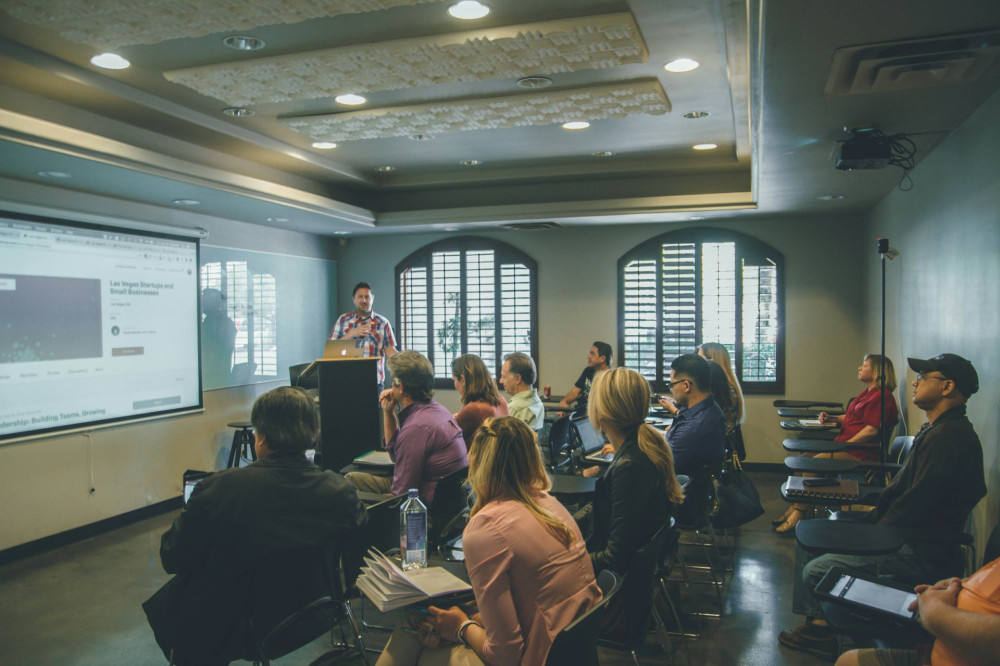
When employees take part in training or professional development together, it creates a shared experience that goes beyond the technical content. Whether it’s a course in project management, communication, or conflict resolution, learning together allows participants to see one another in new roles.
Shared learning encourages reflection, discussion, and mutual support. It helps colleagues understand each other’s perspectives and makes collaboration smoother once they return to their daily routines. Many teams find that working together becomes easier because they have developed a common language for both challenges and solutions.
From Individual Growth to Collective Culture
Traditionally, continuing education has been viewed as an individual pursuit – something one does to advance one’s own career. Today, however, more organisations in the UK are recognising it as an investment in the collective culture of collaboration.
When learning becomes part of an organisation’s DNA, it fosters a culture of curiosity and knowledge sharing. This can take the form of internal training programmes, mentoring schemes, or cross-departmental workshops where employees exchange experiences and insights.
Such an approach transforms continuing education from a personal development activity into a shared journey of improvement – one that strengthens the organisation as a whole.
Communication and Understanding at the Core
One of the areas where continuing education has the greatest impact on teamwork is communication. Courses in active listening, constructive feedback, or dialogue techniques can give employees practical tools to understand one another better and to handle disagreements productively.
When people learn to communicate clearly and respectfully, misunderstandings and conflicts are reduced. At the same time, a sense of psychological safety grows, as everyone knows their voice will be heard. This creates the foundation for innovation, collaboration, and shared responsibility.
Cross-Disciplinary Learning Builds Stronger Teams
In many organisations, departments work in silos, each with its own priorities and language. Continuing education can help bridge these divides. When employees from different disciplines participate in joint learning activities, they gain insight into each other’s methods, challenges, and goals.
This cross-disciplinary learning leads to better coordination, fewer misunderstandings, and a stronger appreciation of how each part contributes to the whole. It encourages people to think in terms of solutions rather than isolated tasks.
The Role of Leadership in Learning Communities
For continuing education to function as a collaboration tool, leadership support is essential – not only financially, but also culturally. Leaders who take part in learning initiatives themselves send a strong message that development and teamwork are shared responsibilities.
It’s about creating space for learning in everyday work: time for reflection, opportunities to test new ideas, and a culture where mistakes are seen as part of growth. When employees feel that learning is valued, they become more engaged and more willing to contribute to the collective success.
Læs også:
Getting Started
If you want to use continuing education to strengthen teamwork in your organisation, start with a few simple steps:
- Identify the needs – where do collaboration challenges arise, and what skills could help address them?
- Choose inclusive learning formats – such as workshops, team training, or shared courses.
- Ensure follow-up – make sure learning is translated into practice through dialogue and experience sharing.
- Celebrate progress – recognise when teamwork improves and learning makes a difference.
Continuing education is not a one-off effort but an ongoing process. When learning becomes a natural part of collaboration, both wellbeing and performance improve.
Collaboration Through Learning – An Investment in the Future
In a world of rapid change, the ability to learn together is one of the most valuable assets an organisation can have. Continuing education is therefore not just about skill development, but about building a culture where learning and collaboration go hand in hand.
When employees grow together through learning, the entire organisation grows – both professionally and personally.
Læs også: