Safe Waste Management: How to Prevent Pollution and Accidents


Safe Waste Management: How to Prevent Pollution and Accidents
Waste is an unavoidable part of everyday life, both at home and at work. However, the way we handle it has a major impact on the environment, health, and safety. Poor storage or disposal can lead to pollution, fire hazards, and accidents – while careful waste management can prevent problems and support a more sustainable future. Here’s a practical guide to managing waste safely and responsibly in the UK.
Know Your Waste – and Sort It Properly
The first step towards safe waste management is understanding the different types of waste. Not everything can go in the same bin, and incorrect sorting can cause environmental and safety issues.
- Household waste – everyday rubbish such as food scraps, paper, and plastic packaging.
- Hazardous waste – chemicals, paint, batteries, electrical items, and cleaning products. These require special handling.
- Construction and business waste – materials like plasterboard, metal, wood, and insulation, which must be separated by type.
- Organic waste – food and garden waste that can be composted or used for biogas production.
Always check your local council’s recycling and waste collection guidelines. Councils across the UK have specific rules to ensure waste is processed correctly and safely.
Storage: Prevent Spills and Dangerous Situations
Proper storage is essential to avoid accidents and pollution. Hazardous waste should always be kept in sealed, clearly labelled containers showing the contents and hazard symbols. Never mix different chemicals – even small amounts can react and create toxic fumes or fire risks.
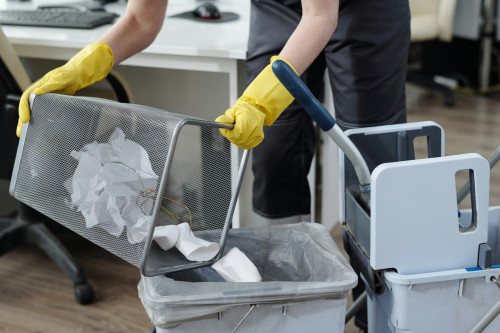
Keep waste areas clean, dry, and well-ventilated. In workplaces, there should be clear procedures for how waste is handled and who is responsible for emptying and cleaning containers. Regular inspections help ensure that storage areas remain safe and compliant.
Transport and Disposal
When waste needs to be moved, use suitable containers and make sure they are secure to prevent leaks or spills. Hazardous waste must only be transported by licensed carriers who can provide documentation of proper handling and disposal.
For households, hazardous items should be taken to your local recycling centre or household waste site – never placed in the general rubbish bin. This includes small items such as nail polish, aerosols, and solvents. Many councils also offer collection services for bulky or hazardous waste.
Prevent Accidents with Clear Procedures
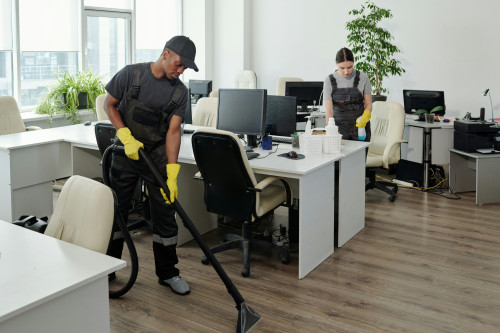
Many accidents occur because waste is handled without clear guidance. Businesses should have a waste management plan that outlines how waste is sorted, stored, and disposed of. All employees should be familiar with the plan and have access to appropriate safety equipment such as gloves, masks, and protective eyewear.
Provide regular training and refreshers, especially if staff handle chemicals or flammable materials. A strong safety culture starts with knowledge and shared responsibility.
Environmental Benefits of Proper Waste Management
Safe waste management isn’t just about preventing accidents – it’s also a key part of protecting the environment. When waste is sorted correctly, materials can be recycled, and harmful substances are kept out of nature. This reduces carbon emissions, conserves resources, and protects both people and wildlife.
Even small changes make a difference: recycling batteries separately, using reusable containers, or choosing eco-labelled products that generate less waste all contribute to a cleaner, safer environment.
Læs også:


A Shared Responsibility
Whether you’re a homeowner, employee, or manager, you play a role in ensuring waste is handled safely. It doesn’t always require large investments – but it does require awareness, knowledge, and a commitment to doing things properly.
By taking responsibility for waste before it becomes a problem, we can all help create a cleaner environment and a safer everyday life.
Læs også: