Avoid Cross-Contamination – Establish Clear Zones and Consistent Cleaning Routines

Protect health and quality by keeping work areas clearly separated and consistently clean
Cleaning
Cleaning
3 min
Cross-contamination can compromise safety, hygiene, and product quality across industries. Learn how to minimize risks by establishing clear zones, following structured cleaning routines, and promoting awareness and good habits among staff.
Alexander Harris
Alexander
Harris

Avoid Cross-Contamination – Establish Clear Zones and Consistent Cleaning Routines

Protect health and quality by keeping work areas clearly separated and consistently clean
Cleaning
Cleaning
3 min
Cross-contamination can compromise safety, hygiene, and product quality across industries. Learn how to minimize risks by establishing clear zones, following structured cleaning routines, and promoting awareness and good habits among staff.
Alexander Harris
Alexander
Harris

Cross-contamination is one of the biggest risks in cleaning and hygiene management – whether in food production, healthcare, education, or general commercial environments. When bacteria, viruses, or chemical residues are unintentionally transferred from one area to another, it can have serious consequences for health, safety, and quality. That’s why it’s essential to work systematically with zoning, routines, and behaviours that prevent the spread of contamination.

What is cross-contamination – and how does it happen?

Cross-contamination occurs when dirt, microorganisms, or chemicals are transferred from one surface, area, or piece of equipment to another. It can happen through hands, cleaning tools, clothing, air movement, or accidental contact between clean and dirty zones.

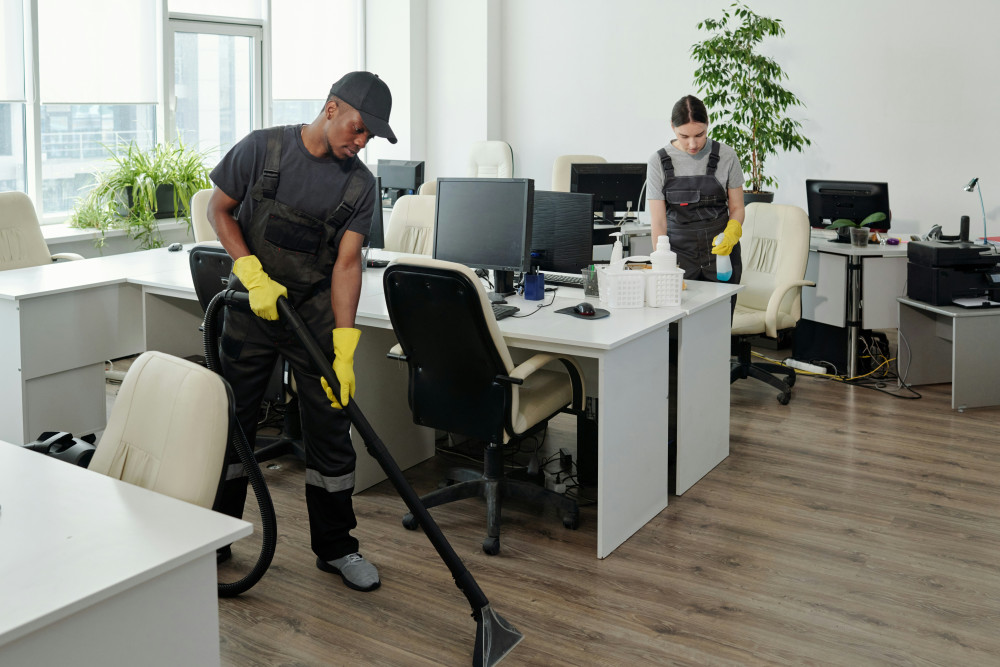
A common example is when a mop used in a toilet area is then used in a kitchen, or when cleaning staff move from a warehouse to an office without changing footwear or gloves. Small lapses in routine can quickly lead to major hygiene issues.

Establish clear zones – and keep them separate

A highly effective way to prevent cross-contamination is to divide the workplace into zones with different hygiene levels. For example:

  • Clean zones – such as offices, meeting rooms, or production areas with strict hygiene requirements.
  • Intermediate zones – such as corridors, storage areas, or staff changing rooms.
  • Dirty zones – such as toilets, waste areas, or places with a high risk of contamination.

Zones should be clearly marked – ideally with colour coding, signage, or floor markings – so that staff can easily see where they are and which equipment should be used.

A simple colour-coding system can make a big difference: blue for general areas, red for toilets, green for kitchens, and yellow for clinical or high-risk areas. This approach is widely used in the UK cleaning industry and helps ensure that tools are not mixed between zones.

Consistent routines and clear procedures

Zoning only works if it’s supported by consistent routines. The goal is to create a culture where everyone knows how to work safely – and why it matters.

Some key principles include:

  • Work from clean to dirty. Always start in the cleanest areas and finish in the most contaminated.
  • Use dedicated equipment. Each zone should have its own cleaning tools that are never moved between areas.
  • Change gloves and cloths. Disposable gloves and cloths should be replaced when moving between zones.
  • Clean and disinfect equipment. Mop heads, buckets, and machines should be cleaned after use to prevent bacterial spread.
  • Record and monitor. Use cleaning logs or digital checklists to document routines and ensure compliance.

When these routines become part of everyday practice, the risk of mistakes decreases – and the overall quality of cleaning improves significantly.

Training and behaviour – the key to success

Even the best systems only work if staff understand their purpose and follow the procedures. Ongoing training and supervision are therefore essential.

Training should cover both theory and practice: how bacteria spread, how zoning works, and how to handle equipment correctly. Managers should lead by example, showing that hygiene and safety are top priorities.

Simple reminders – such as posters, colour charts, and short team briefings – can help maintain awareness and reinforce good habits across the team.

Monitoring and continuous improvement

Even with strong routines, mistakes can happen. Regular checks and evaluations are vital to ensure standards are maintained. This can include spot checks, visual inspections, or microbiological testing, depending on the environment.

Use the results to refine procedures, update training, and improve equipment. A culture of continuous improvement helps maintain high hygiene standards and ensures quick action if something goes wrong.

An investment in quality and confidence

Preventing cross-contamination isn’t just about meeting regulations – it’s about creating a safe and trustworthy environment for staff, customers, and visitors. Clear zoning, consistent routines, and responsible behaviour form the foundation of professional cleaning in every sector.

When everyone knows the boundaries and follows the right procedures, cleaning becomes both safer and more efficient. It’s an investment that pays off every single day – in quality, safety, and peace of mind.

Safe Waste Management: How to Prevent Pollution and Accidents
Handle waste safely to protect people, property, and the planet
Cleaning
Cleaning
Waste Management
Environmental Safety
Pollution Prevention
Sustainability
Workplace Safety
5 min
Learn how proper waste management can reduce pollution, prevent accidents, and promote sustainability. This guide explains how to identify, store, transport, and dispose of waste responsibly—helping you create a safer and cleaner environment at home or at work.
Dahlia Williams
Dahlia
Williams
Save Energy with Smart Machines: Choose Energy-Efficient Solutions for Professional Cleaning
Boost sustainability and cut costs with smart, energy-efficient cleaning technology
Cleaning
Cleaning
Energy Efficiency
Professional Cleaning
Sustainable Solutions
Smart Technology
Cost Savings
4 min
Discover how modern, intelligent cleaning machines can help your business save energy, reduce water and chemical use, and achieve outstanding cleaning results. Learn why investing in energy-efficient solutions is a smart move for both the environment and your bottom line.
Scarlett Little
Scarlett
Little
Avoid Cross-Contamination – Establish Clear Zones and Consistent Cleaning Routines
Protect health and quality by keeping work areas clearly separated and consistently clean
Cleaning
Cleaning
Hygiene Management
Cleaning Routines
Cross-Contamination
Workplace Safety
Quality Assurance
3 min
Cross-contamination can compromise safety, hygiene, and product quality across industries. Learn how to minimize risks by establishing clear zones, following structured cleaning routines, and promoting awareness and good habits among staff.
Alexander Harris
Alexander
Harris
Espresso machines presented in a comprehensive overview
Enjoy the café experience at home with the right espresso machine
Companies
Companies
Espresso machine
Coffee
Kitchen equipment
Consumption
Product overview
7 min
Espresso machines come in many varieties – from manual models to fully automatic solutions. The article provides a comprehensive overview of features, design and possibilities, so you can find the machine that best suits your needs.
Dahlia Williams
Dahlia
Williams
Overview: Ink cartridges presented for comparison
Find the right ink cartridge for your printer and your needs
Companies
Companies
Ink cartridges
Printers
Office equipment
Consumer goods
Work life
6 min
Ink cartridges vary in price, capacity and quality. This article provides an overview of different types and models, so you can easily find the ink cartridge that best suits your printer and your needs.
Olivia Carter
Olivia
Carter
Various laptop stands presented in one comprehensive overview
Create better ergonomics and flexibility in your working day
Companies
Companies
Laptop stand
Ergonomics
Work environment
Office equipment
Product guide
6 min
A laptop stand can improve ergonomics and create a more comfortable working environment. Get a comprehensive overview of different types of stands, their functions and designs, so you can find the solution that suits you best.
Dahlia Williams
Dahlia
Williams
Meeting tables in many variants – get a quick overview
Create the best framework for collaboration and productive meetings
Companies
Companies
Meeting tables
Office design
Work environment
Office furniture
Collaboration
4 min
Meeting tables come in many shapes and materials – from classic wooden tables to modern height-adjustable models. Get a quick overview of the options and find the meeting table that best suits your office and needs.
Scarlett Little
Scarlett
Little
Overview: Laptop bags for many types of users
Find the right bag for work, study or travel
Companies
Companies
Laptop bag
Work equipment
Business
Mobility
Office life
3 min
Laptop bags come in many shapes and materials – from minimalist backpacks to elegant business models. Get an overview of different types and features so you can choose the bag that best suits your needs.
Alexander Harris
Alexander
Harris