Users’ wishes as a driving force: Develop a food concept that meets their needs


Users’ wishes as a driving force: Develop a food concept that meets their needs
Developing a food concept is not just about flavour and presentation – it is equally about understanding people. What motivates them when they choose a meal? Which values, habits, and needs shape their decisions? In a time when British consumers are increasingly conscious of health, sustainability, and experience, it is essential that food businesses, canteens, and caterers design concepts that start with users’ wishes.
From intuition to insight
Many food concepts begin with a creative idea – but the most successful ones are built on knowledge. This means taking a systematic approach to understanding users’ preferences through surveys, interviews, observation, or digital feedback tools.
When you know what drives people’s choices – whether it is health, price, convenience, or environmental impact – you can create a concept that truly resonates. For instance, a workplace canteen that discovers employees want lighter, plant-based options could develop a menu where flavour and satisfaction take centre stage, rather than simply removing meat.
Læs også:

Segment your users – without putting them in boxes
Users are not a single, uniform group. Some prioritise speed, others seek experience. Some prefer traditional British comfort food, while others are eager to explore global flavours. By segmenting users into broad types – such as “the busy one”, “the curious one”, and “the conscious one” – you can tailor your concept to meet several needs at once.
This does not mean trying to please everyone. The goal is to find a balance where the concept has a clear identity but remains flexible. A strong food concept can be recognisable and adaptable at the same time.
Involve users in the process
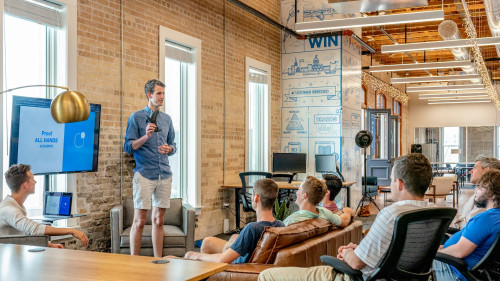
One of the most effective ways to ensure your food concept hits the mark is to involve users in its development. This could be through tasting panels, workshops, or trial days where new dishes are tested and feedback is gathered directly.
When users feel heard, their engagement and loyalty grow. At the same time, developers gain valuable insight into how the food is experienced in real life – not just on paper. Small details such as portion size, presentation, or serving style can make a big difference.
Sustainability as part of user needs
More and more consumers in the UK expect sustainability to be part of their food experience. This goes beyond organic ingredients – it includes reducing food waste, sourcing locally, and ensuring transparency in production.
A food concept that embraces these values can create added value for both users and businesses. When you communicate clearly about how and why certain choices are made – for example, using seasonal British produce or minimising packaging – you build trust. Sustainability then becomes an integral part of the experience, not just a marketing slogan.
The experience around the food
A food concept is about more than the food itself. It also includes atmosphere, design, service, and communication. How are the dishes presented? What story do they tell? How does it feel to eat there?
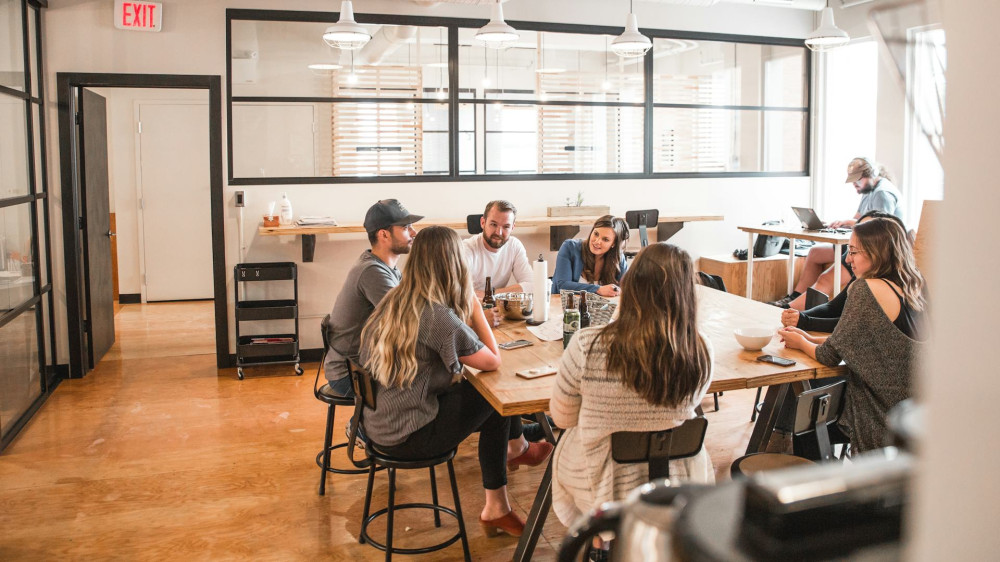
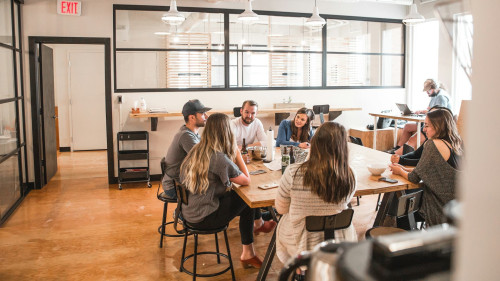
Small touches can make a big impact: a clear menu that highlights local suppliers, an open kitchen that invites transparency, or a communal dining setup that encourages connection. When the overall experience supports the core idea of the concept, users understand and appreciate it more deeply.
From feedback to renewal
A food concept is never finished. Users’ needs evolve, and new trends emerge. Feedback should therefore not only be collected during development but continuously. Digital tools make it easy to track satisfaction, portion sizes, and waste – and to use this data for ongoing improvements.
By viewing feedback as a resource rather than criticism, you can create a culture where renewal is a natural part of operations. This makes the concept more resilient and relevant over time.
Food with meaning
When users’ wishes become the driving force, you create more than a food concept – you create a relationship. Food becomes an expression of respect for those who eat it and for the values they live by.
A successful food concept is therefore not just about recipes and ingredients, but about understanding, dialogue, and the courage to evolve. It is where taste meets insight that the best solutions are born.
Læs også: