Networking as a Resource: How to Leverage Relationships Strategically in Event Work

Networking as a Resource: How to Leverage Relationships Strategically in Event Work
In the events industry, relationships are often just as crucial as budgets, venues, and programmes. A strong network can open doors, spark collaborations, and ensure your event gets the attention and quality it deserves. But how do you use your network strategically—without it feeling transactional? Here’s a guide to building, nurturing, and leveraging relationships as an active resource in your event work.
Networking Is More Than Business Cards and LinkedIn Connections
A professional network isn’t about how many contacts you have, but about the quality of those relationships. In event work, your network might include suppliers, partners, sponsors, volunteers, and attendees. These are the people who can help you solve problems, generate ideas, and create value for your audience.
Think of your network as an ecosystem where you both give and receive. The more you contribute—through knowledge, introductions, or support—the more naturally others will want to help you when you need it.
Build Relationships Before You Need Them
One of the biggest mistakes in the events industry is to start networking only when you’re in need. The best relationships develop over time, built on trust and genuine interest.
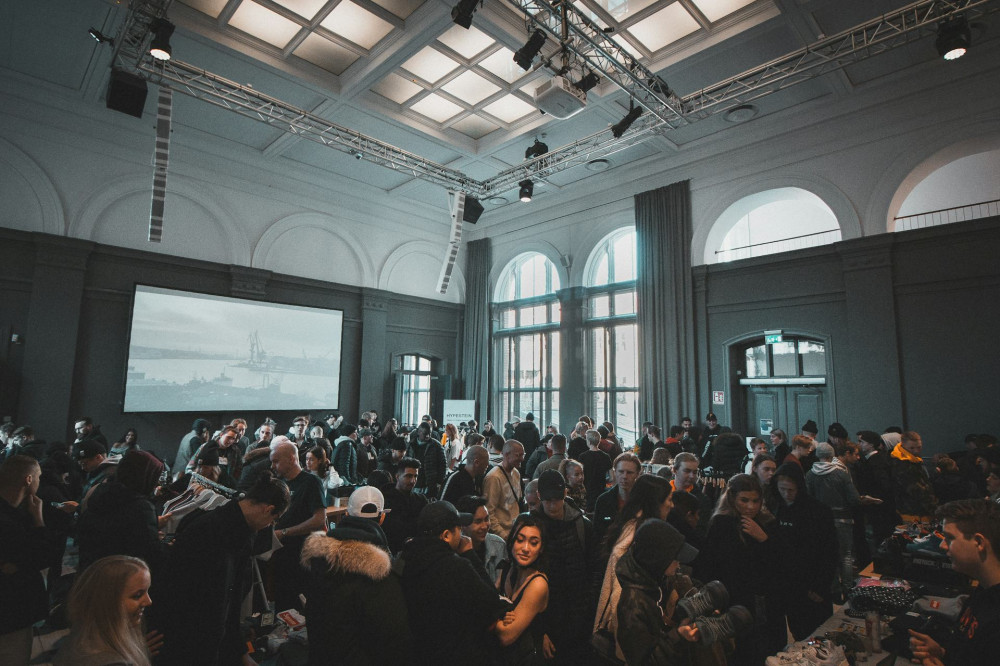
- Attend industry events – conferences, trade shows, and networking meetups are great places to meet people working in events, marketing, and experience design.
- Be curious – ask about others’ projects and experiences. Authentic interest builds rapport.
- Follow up – send a short message after meeting someone. It shows you value the connection.
When you later need a collaborator, a venue contact, or a sponsor, it’s much easier to reach out to someone you already know.
Use Your Network Strategically During Planning
When planning an event, your network can be an invaluable resource—from brainstorming ideas to solving logistical challenges.
- Inspiration and insight: Talk to peers about trends, formats, and lessons learned. Their perspectives can spark new ideas for your own project.
- Suppliers and partners: A recommendation from a trusted contact can save you time and prevent costly mistakes.
- Ambassadors: People in your network can help spread the word about your event—especially if they feel personally invested in it.
Consider who in your network can contribute knowledge, visibility, or resources, and how you can make it worthwhile for them to get involved.
Maintain Relationships—Even When You’re Not Running an Event
A network needs care and attention. That doesn’t mean constant contact, but it does mean staying engaged and showing interest.
- Share relevant news or articles that others might find useful.
- Congratulate contacts on their successes—such as a well-executed event or a new role.
- Arrange informal catch-ups or coffee meetings—relationships are strongest when they’re not purely transactional.
Small gestures can make a big difference in how you’re remembered.
Læs også:

Give Before You Ask
A golden rule of strategic networking is to give more than you expect to receive. Offer introductions, advice, or practical help without expecting anything in return. This builds trust and positions you as someone people genuinely want to work with.
When you later need support—whether it’s a recommendation, a sponsor, or an extra pair of hands on event day—many will be happy to return the favour.
Digital Networking as an Extension of the Personal
Online platforms such as LinkedIn, industry forums, and professional Facebook groups are excellent tools for expanding and maintaining your network. But digital contact alone isn’t enough. Use these platforms to stay visible, share insights, and keep up with industry developments—but combine them with in-person meetings, where relationships truly deepen.
Networking as Part of Your Professional Identity
Strategic networking isn’t about manipulation; it’s about recognising that relationships are part of your professional foundation. In the events industry—where collaboration, trust, and reputation are everything—a strong network can be the difference between a good event and a great one.
When you treat networking as a resource you actively invest in, it becomes more than a tool—it becomes a natural part of how you work, think, and succeed.
Læs også: