Different Industries – Different Needs: How to Choose the Right Commercial Premises to Rent


Different Industries – Different Needs: How to Choose the Right Commercial Premises to Rent
Finding the right commercial premises is about far more than square footage and rent. The space you choose should support your daily operations, reflect your brand identity, and allow for future growth. What works perfectly for one business might be completely unsuitable for another. Here’s a guide to help you choose premises that truly fit your company’s needs.
Understand Your Industry’s Requirements
Before you start your search, it’s essential to understand what your industry demands from a workspace. A creative agency will have very different needs from a manufacturer, and a retail shop will look for something entirely different from a healthcare provider.
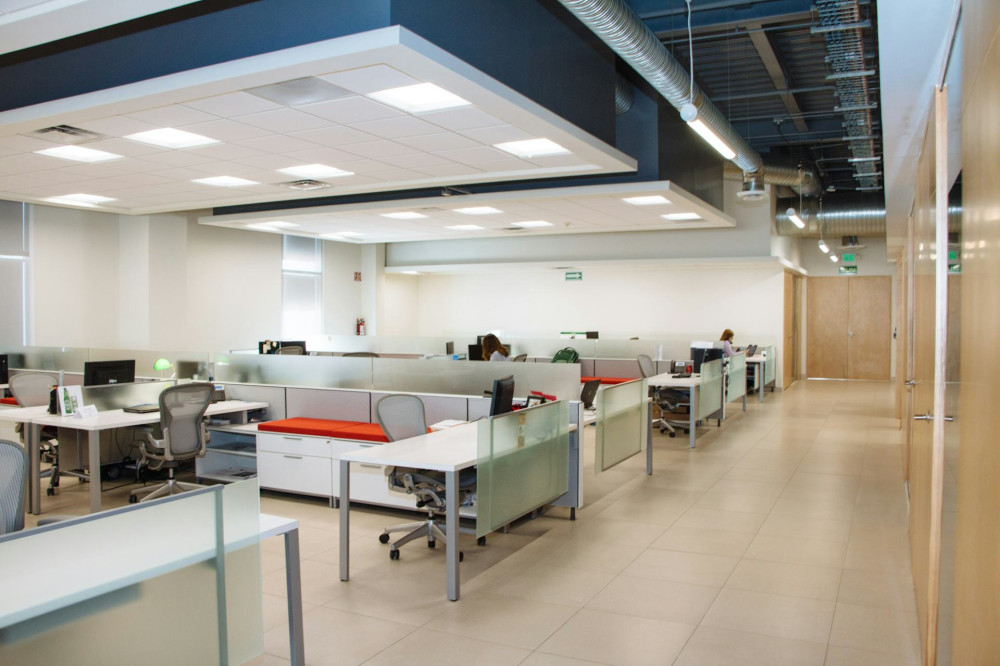
- Office-based businesses: Location, transport links, and access to amenities are key. Many companies prioritise bright, flexible spaces with meeting rooms, breakout areas, and reliable digital infrastructure.
- Retail: Visibility and footfall are everything. A shop on a busy high street or in a popular shopping centre may cost more, but the increased exposure can drive higher sales.
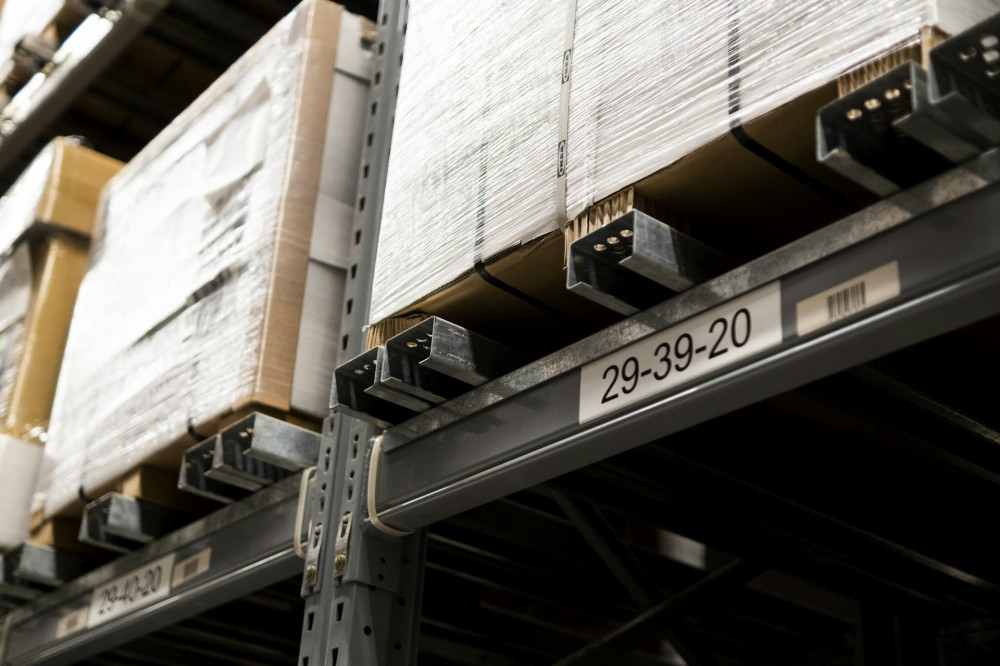
- Industrial and logistics: Space, access, and transport routes are crucial. High ceilings, loading bays, and proximity to motorways or ports can make a big difference to efficiency.
- Service and healthcare: Clinics, salons, and treatment centres need accessible, welcoming spaces that create a sense of comfort and trust. Layout, privacy, and acoustics are particularly important.
Once you understand your sector’s typical requirements, it becomes much easier to narrow down your options and focus on properties that genuinely suit your business.
Location – More Than Just a Postcode
Location is often the most important factor, but what makes a location ideal depends on your industry. For some, it’s about visibility; for others, it’s about logistics or proximity to clients and suppliers.
- City centre or business park? A central location can offer prestige and convenience but often comes with higher rent and limited parking. Out-of-town business parks may provide more space and lower costs.
- Transport and accessibility: Consider how staff, customers, and suppliers will reach you. Good public transport links, nearby parking, and easy access to major roads can all be decisive factors.
- Future development: Research local plans and regeneration projects. New housing, transport improvements, or commercial developments can increase the long-term value of your location.
The best location isn’t necessarily the most expensive one – it’s the one that best supports your operations and growth.
Layout and Flexibility
Your premises should adapt to the way your business works. Think about how the space can be arranged and whether it can evolve as your needs change.
- Open or private spaces: Many offices favour open-plan layouts to encourage collaboration, while others need enclosed rooms for confidential meetings or focused work.
- Technical infrastructure: Ensure there’s sufficient power supply, ventilation, and high-speed internet to meet your operational requirements.
- Room to grow: If you expect to expand, look for premises where you can lease additional space later or reconfigure the layout easily.
A flexible space gives you the freedom to develop your business without the disruption of moving too soon.
Finances and Lease Terms
Rent is a major consideration, but it’s important to look at the full financial picture.
- Running costs: In addition to rent, factor in utilities, service charges, insurance, cleaning, and maintenance.
- Deposit and lease length: Read the lease carefully. A longer term can provide stability but may limit flexibility if your circumstances change.
- Shared facilities: Some properties offer reception services, meeting rooms, or communal areas. These can be convenient but may add to your costs.
Create a realistic budget that includes both fixed and variable expenses to avoid unpleasant surprises later.
Environment and Workplace Wellbeing
A good commercial space should be practical, but it should also promote a healthy and motivating work environment.
- Light and acoustics: Natural light and good sound insulation can significantly improve employee wellbeing and productivity.
- Indoor climate: Proper ventilation and temperature control are essential, especially in modern office environments.
- Sustainability: Many UK businesses now prioritise eco-friendly buildings with energy-efficient systems, recycling facilities, and green certifications. This not only benefits the environment but also enhances your company’s reputation.
A positive working environment can be a real advantage when attracting and retaining staff.
Getting Started
Once you’ve defined your needs, start your search strategically. Use commercial property agents, online platforms, and professional networks to identify suitable options. Visit several properties and take time to compare their condition, price, and surroundings.
Create a checklist of your key criteria – such as location, size, cost, and facilities – and evaluate each property against it. This helps you make an objective decision and ensures you don’t overlook important details.
Læs også:



The Right Premises Are an Investment in Your Future
Choosing commercial premises is a strategic decision that affects your operations, your team, and your brand image. It’s not just about finding somewhere to work – it’s about creating the right foundation for growth and success.
By choosing with care and keeping your industry’s specific needs in mind, you’ll secure a space that works for your business today and supports its ambitions for tomorrow.
Læs også: